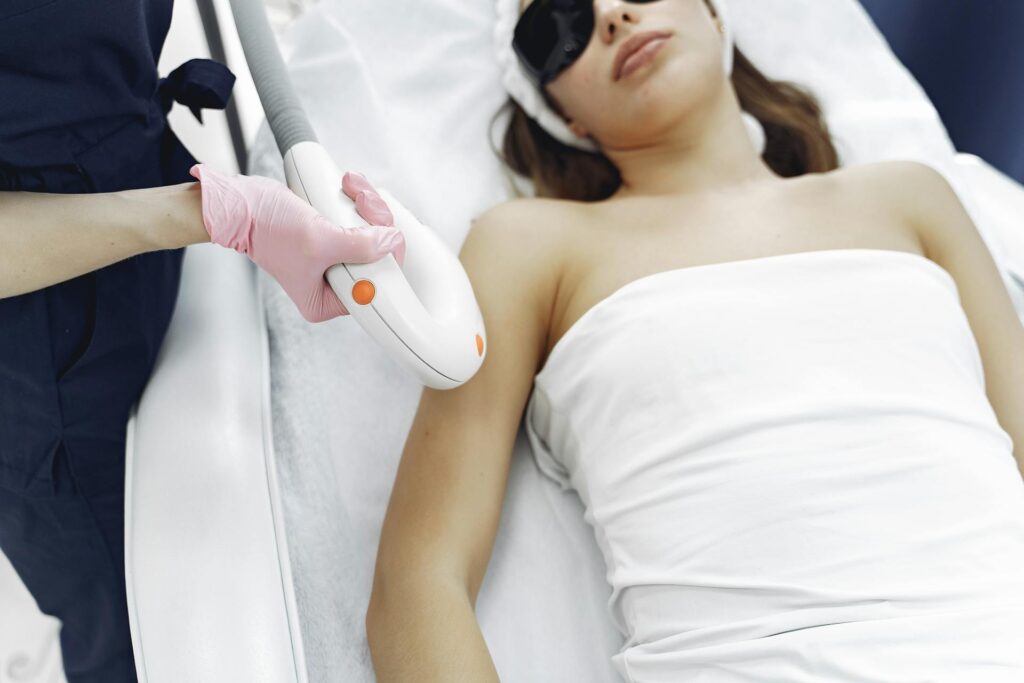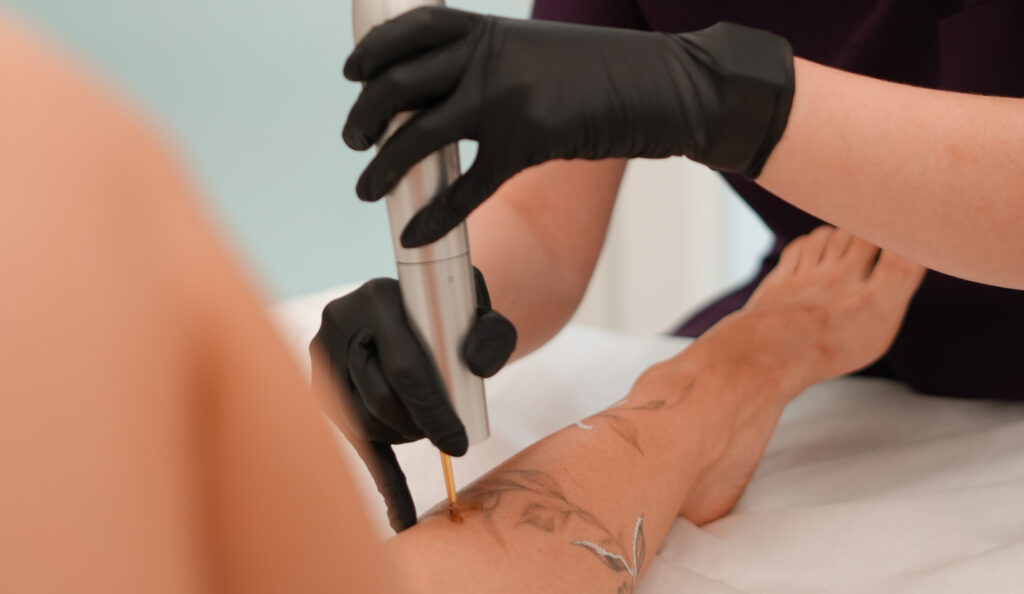


This is one of the most frequently asked questions we hear at the clinic. We answer completely honestly: yes, laser tattoo removal is noticeable. Pulses working deep within the skin can cause pain or discomfort, though treatment sensations are most often compared to a rubber band snapping against the skin. Immediately after the session, natural bodily defense reactions triggered by a controlled inflammatory response may appear. You can expect swelling, minor scabs, blisters, and pinpoint bleeding.
But don’t worry, it only sounds that scary! The key to a safe, fast, and significantly less painful procedure is the premium-class technology we work with.
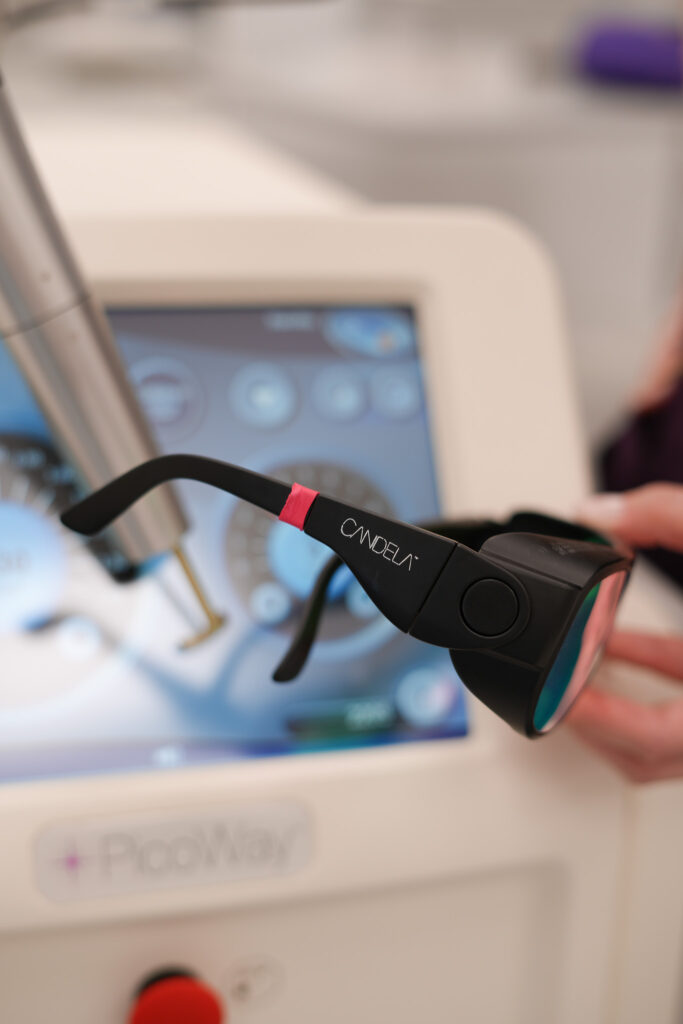
Why does the Candela picosecond laser change absolutely everything?
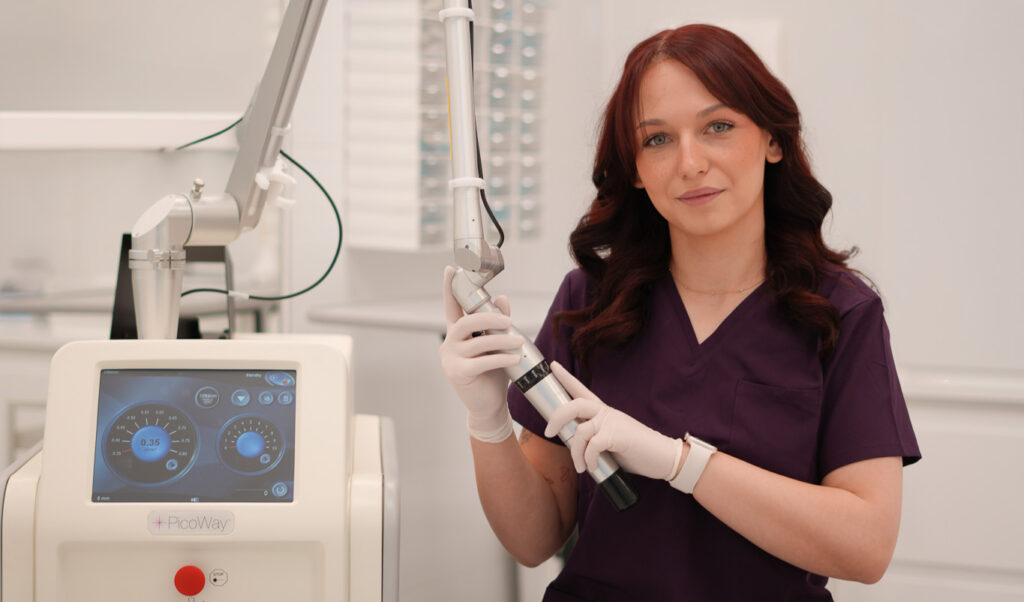
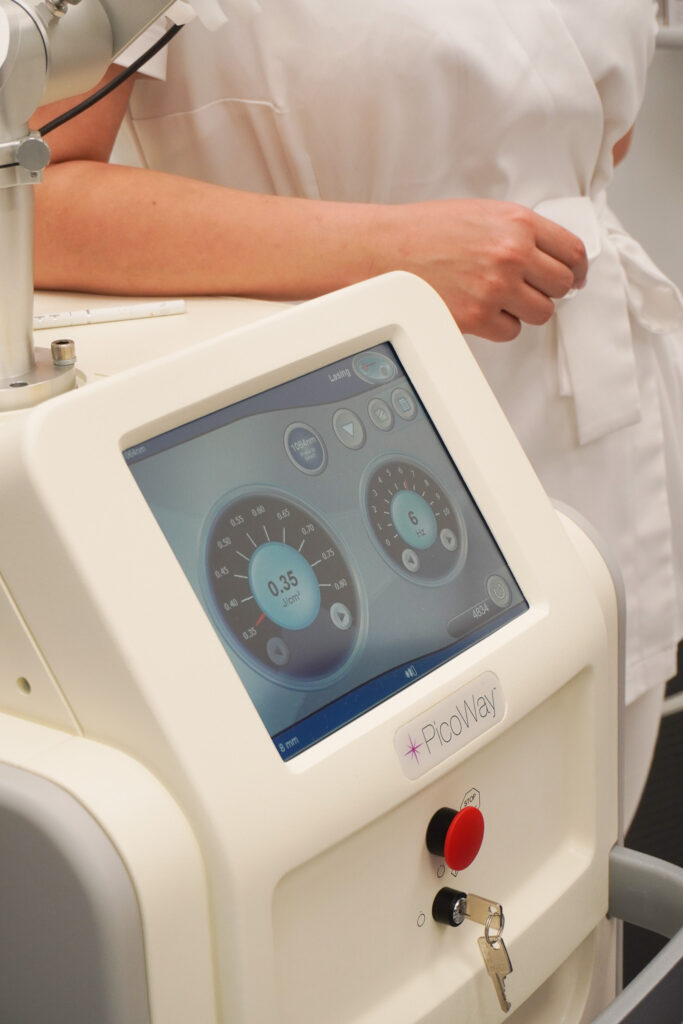
Most people, when thinking about tattoo removal, associate it with the mythical ‘burning’ of the skin, scars, and a long healing process. At Nemezink Recovery, we have chosen the absolute technological leader – the Candela picosecond laser.
Thanks to advanced technology, the entire process can run quickly and without unpleasant memories. Unlike technologically outdated devices that operate in the millisecond range, causing non-selective tissue heating, which results in scars, discoloration, and immense treatment pain, we operate in fractions of a second—specifically, picoseconds.
But what does this actually change?
- Photoacoustic effect; instead of destroying the skin with a massive dose of heat, the device generates a pure acoustic wave that shatters the pigment into a fine mist, which your immune system then naturally eliminates from the body. Thus, contrary to appearances, the entire process is quite natural for your organism.
- Lower discomfort and full safety; thermal energy during the procedure is limited to an absolute minimum, and the process is much better tolerated by the skin, which drastically reduces the risk of complications and burns.
How do we ensure your comfort in the chair?
Advanced equipment and modern cosmetology are one thing, but it is equally important that your visit is fully comfortable for you. Here are several solutions we have in our clinic to improve your well-being during the session:
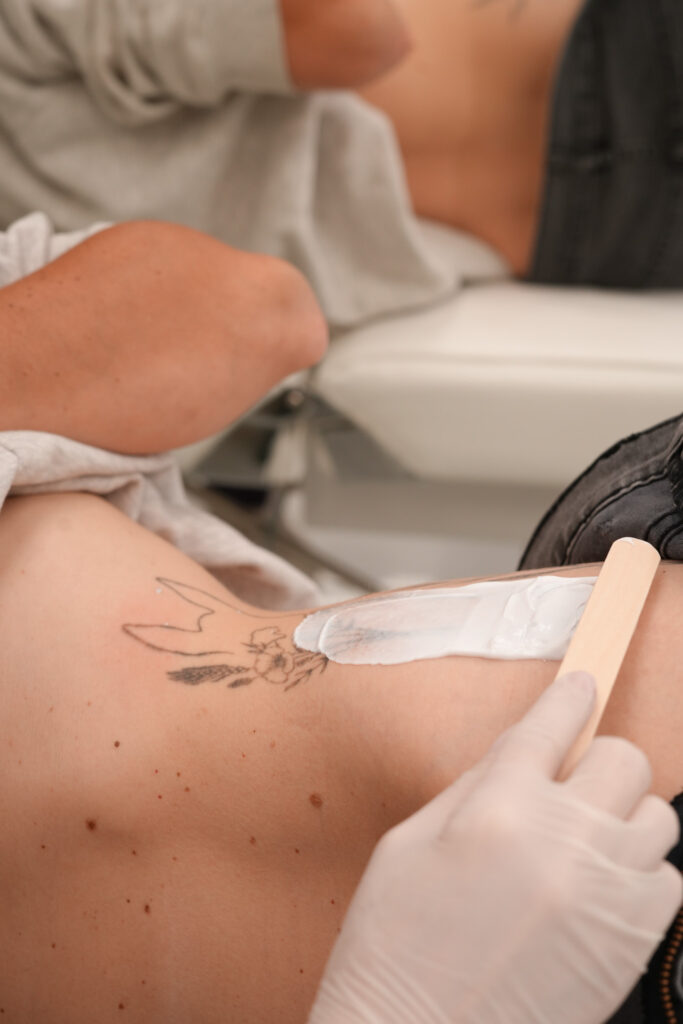
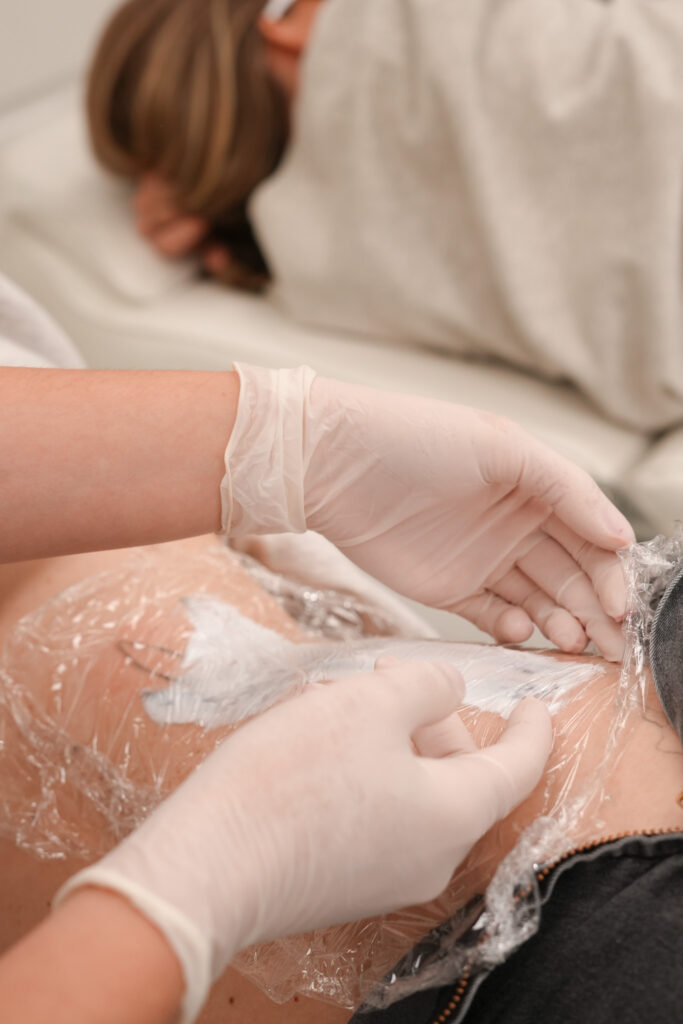
- Numbing cream; before starting the procedure, we can apply a numbing cream to the skin and use occlusion to enhance its effect. The cream will soothe and reduce skin sensation in the treated area, which is completely non-invasive to the body.
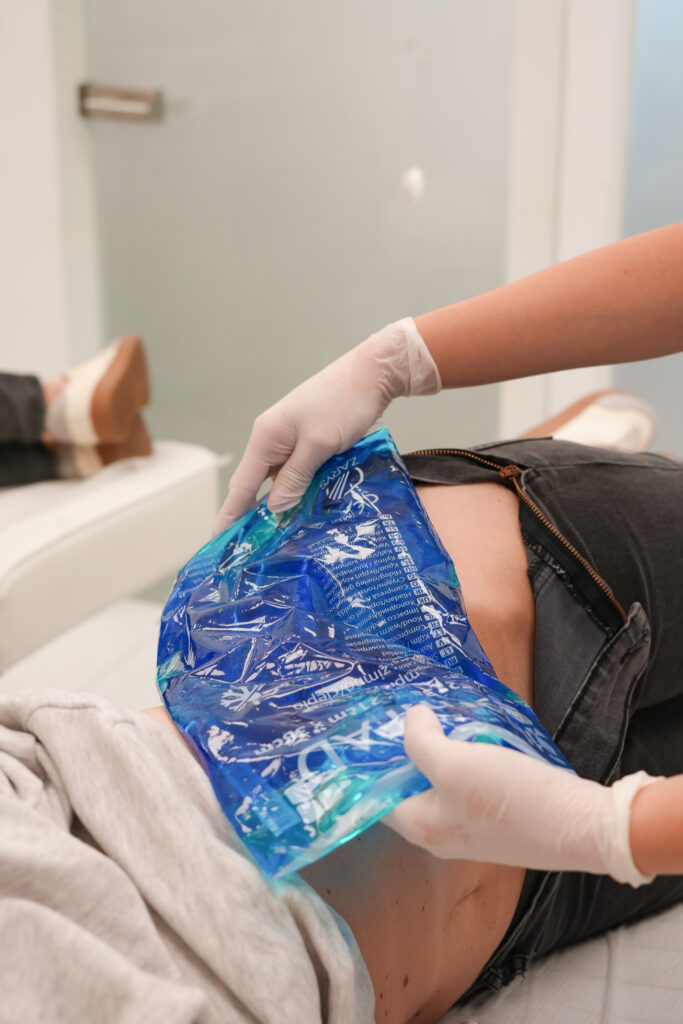
- Gel compresses; during and immediately after the procedure, we can use compresses that instantly eliminate the feeling of swelling and throbbing.
- Checking sensations; you will never experience guesswork with us. We always start with a few test shots at the beginning, giving you time to get used to the new sensation, the characteristic light, and the sound of the acoustic wave.
- Experience and precision; we select parameters individually for the depth of the tattoo. We work with an optimal spot size, which ensures safe and deep beam penetration without damaging surrounding tissues.
What to expect after the procedure?
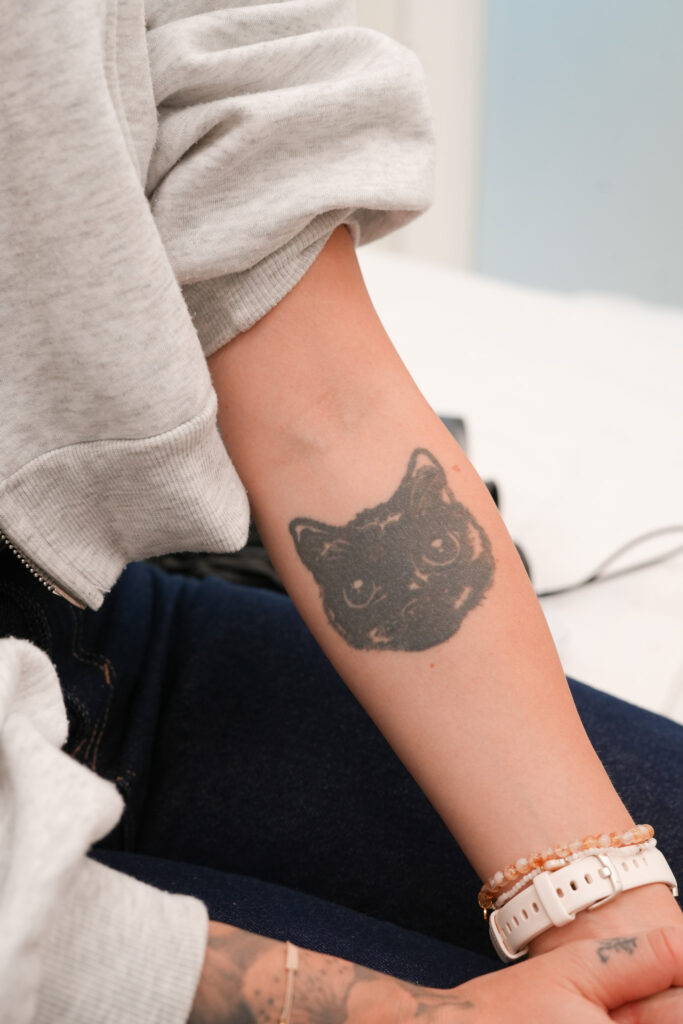
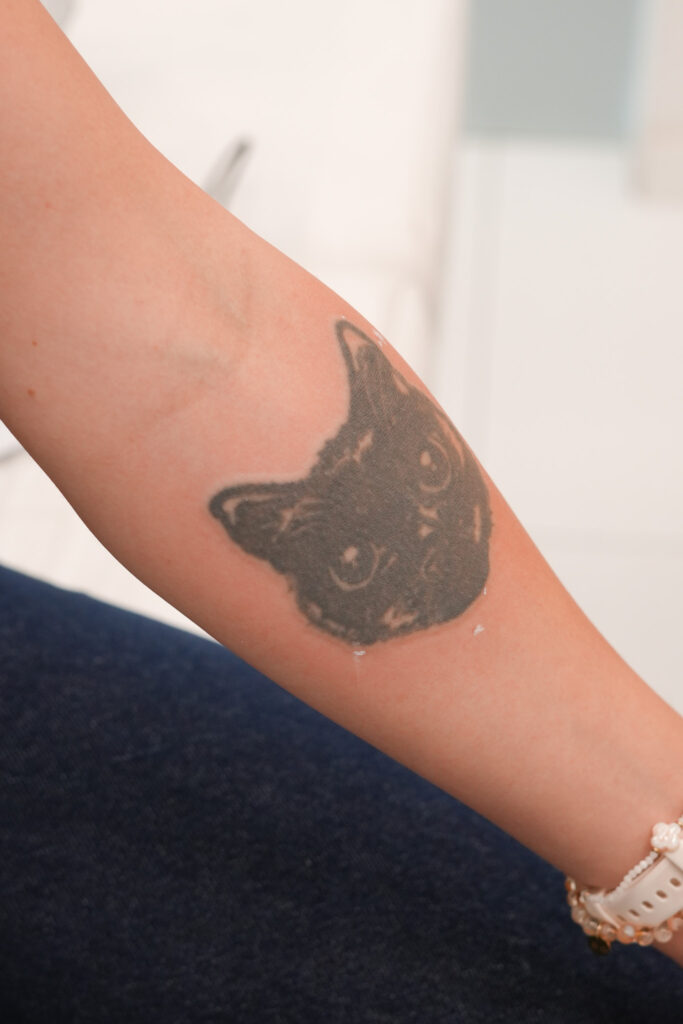
Immediately after the session, a frosting effect appears on the skin (meaning the tattoo turns white), followed by its darkening (in the case of permanent makeup, it shifts into specific colors, e.g., a salmon shade for eyebrows). This is a completely normal sign that indicates a successful session.”
Remember the 3 most important rules after the procedure:
- Do not scratch scabs and do not puncture blisters.
- Regularly moisturize your skin, at least once a day.
- For a week after the procedure, avoid saunas, bodies of water, hot baths, and intense physical exertion.
Want to get rid of an unwanted tattoo without unnecessary stress and pain? Book a free consultation with us, and we will discuss your case.
Sources:
Bernstein, E. F. (2007). Laser tattoo removal. Seminars in Plastic Surgery, 21(3), 175–192. https://doi.org/10.1055/s-2007-991186
Khunger, N., Molpariya, A., & Khunger, A. (2015). Complications of tattoos and tattoo removal: Stop and think before you ink. Journal of Cutaneous and Aesthetic Surgery, 8(1), 30–36. https://doi.org/10.4103/0974-2077.155072
Sardana, K., Ranjan, R., & Ghunawat, S. (2015). Optimization of laser tattoo removal. Journal of Cutaneous and Aesthetic Surgery, 8(1), 16–24. https://doi.org/10.4103/0974-2077.155068