


When deciding on laser tattoo removal, the safety of your skin is our absolute priority. Although modern picosecond lasers operate with extreme precision, there are situations in which we must postpone or entirely rule out the procedure.
Check how to properly prepare for your visit and when it is better to wait a bit before removing a tattoo.
How to prepare for the procedure?

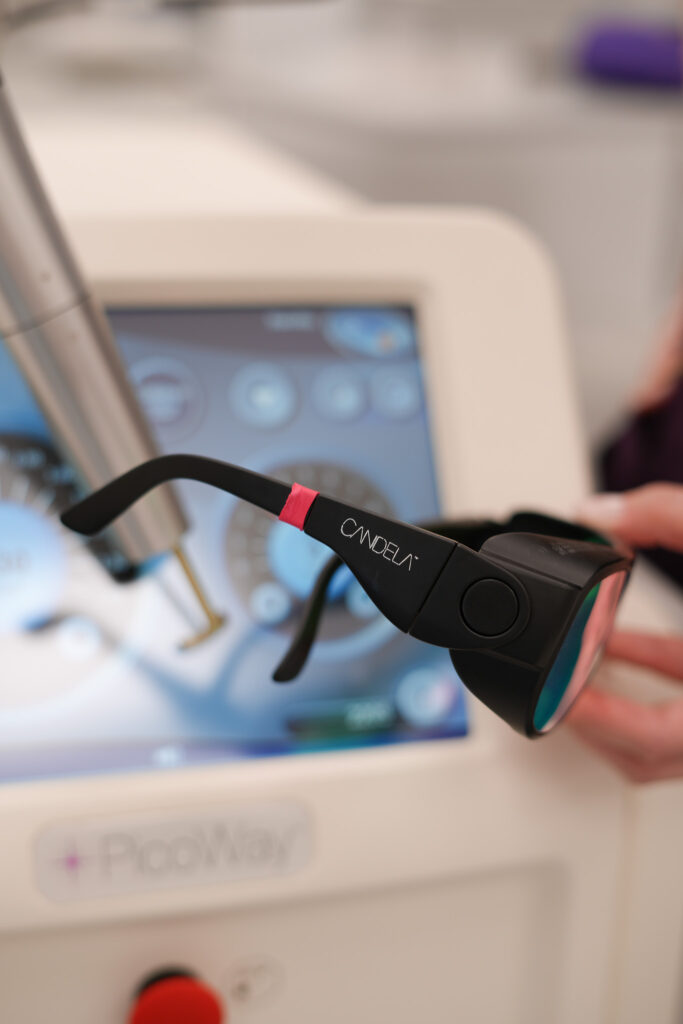
Proper preparation is half the battle—the skin heals faster, and the procedure itself is comfortable and safe. We have divided the entire process into two stages:
2–4 weeks before the procedure:
This is the time to protect your skin from the sun and focus on skin hydration. Avoid tanning and skip self-tanners; additionally, remember to use SPF50+. During this period, also discontinue retinoids, peels, and strong acids. Refrain from waxing the area where the tattoo is located as well.Na 24-48 godzin przed zabiegiem:
Just before your visit, ensure your body is well-rested. Avoid alcohol and skip intense physical exercise. Try not to irritate the skin, and remember to shave the treatment area. Additionally, take care of your comfort: come to us well-rested, full, and remember to stay well-hydrated 🙂
Contraindications
All factors that affect the eligibility for the procedure are divided into two groups: relative and absolute contraindications.
Relative contraindications, when a consultation is required.
These are issues that do not always completely rule out the chance of tattoo removal, but they require our individual assessment of the situation, greater caution, or prior management of your health.
Relative contraindications that require consultation include:
- Dark skin phototype and a tendency toward post-inflammatory hyperpigmentation; require particular caution due to a higher risk of pigmentary complications.
- Photosensitive epilepsy; flashes of light generated during the operation of the device may pose a threat.
- Autoimmune diseases and steroid therapy; affect the immune system response and the healing process.
- Taking anticoagulant medications; requires monitoring, among other things, for potential bruising or minor bleeding
- Recent aesthetic medicine procedures; if Botox, tissue stimulators, or fillers were recently administered in the treatment area, we must wait an appropriate amount of time.
- Active phlegmonous acne, vitiligo, impaired wound healing; the condition of the skin in the treatment area must be stable.
- NSAIDs (nonsteroidal anti-inflammatory drugs); certain medications increase sensitivity to light.
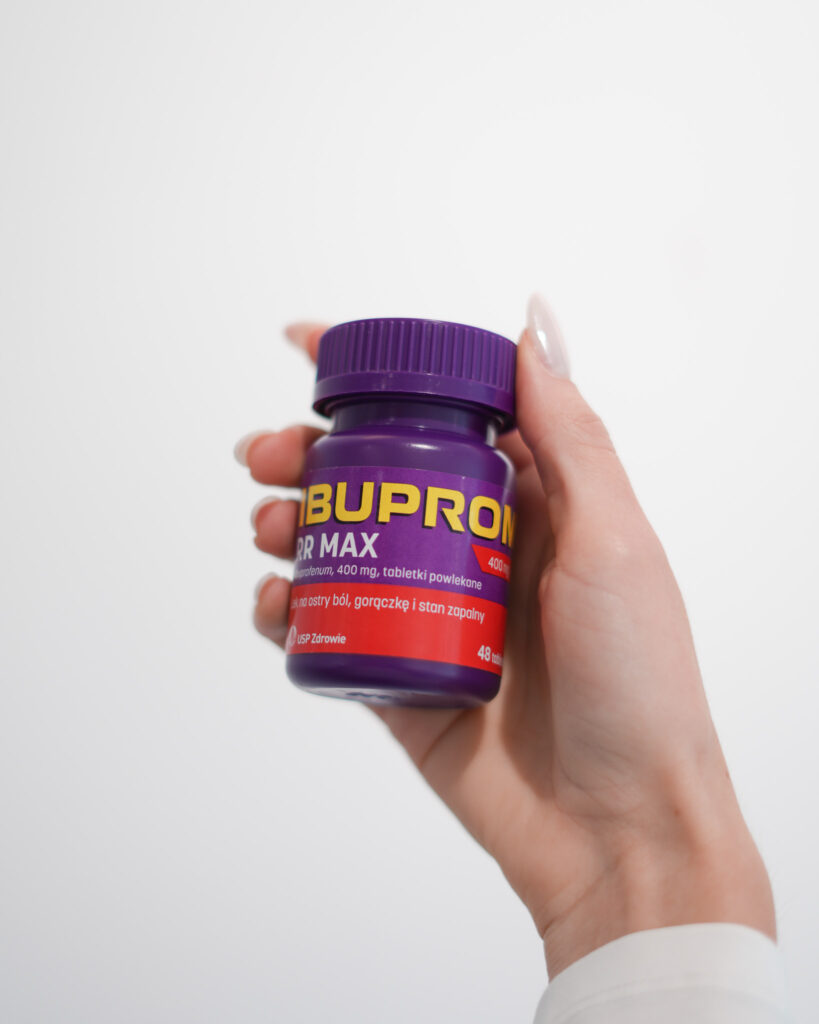
Absolute contraindications, when the procedure cannot be performed.
These are situations where, for safety reasons, we absolutely cannot perform the procedure. This group includes:

- Pregnancy and breastfeeding
- Active skin infection and inflammation in the treatment area; any herpes, bacterial infections, fungal infections, or flare-ups of skin lesions in the treatment area must be completely healed
- Fresh tan or use of self-tanners; tanned skin contains melanin, which absorbs the laser energy, carrying the risk of burns or epidermal discoloration.
- Cancer / Neoplastic diseases
- Uncontrolled diabetes and active connective tissue diseases
- Tendency to develop hypertrophic scars and keloids; due to the risk of abnormal healing and the formation of raised scars.
- Damage to epidermal integrity
- Oral isotretinoin use; an appropriate amount of time must pass after finishing the treatment (approximately 6–12 months).
- Taking photosensitizing medications and herbs
- Active psoriasis or atopic dermatitis in the treatment area
- Freshly performed chemical peels or ablative procedures
Do you have doubts about whether any of these points apply to you, or do you have additional questions before your visit? Feel free to let us know—we’ll gladly advise you and review your case.