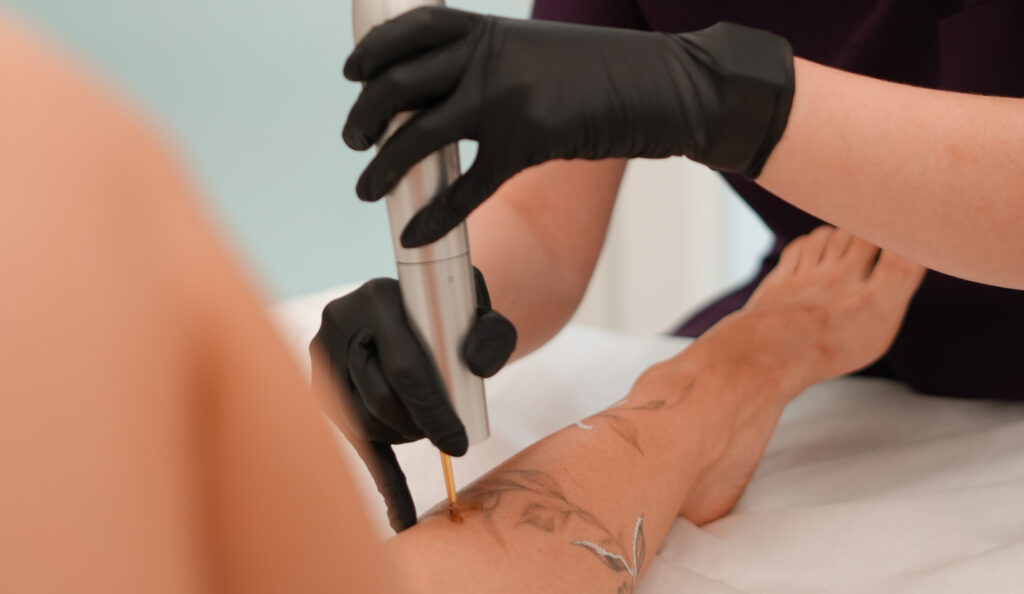


Why does one tattoo disappear in just three sessions, while another requires a much longer treatment cycle? It can be really confusing and frustrating that a tattoo of the same size disappears faster on someone else than on you, but this has its justification. Although advanced picosecond laser technology forms the foundation of modern therapy, the final result and the rate of lightening are the result of many individual variables. When and to what extent you will see effects is influenced by your body’s physiology, the method of application, and the composition of the ink. Check what determines the success of the therapy and when you can expect the first visible results.
What influences the rate of tattoo removal?
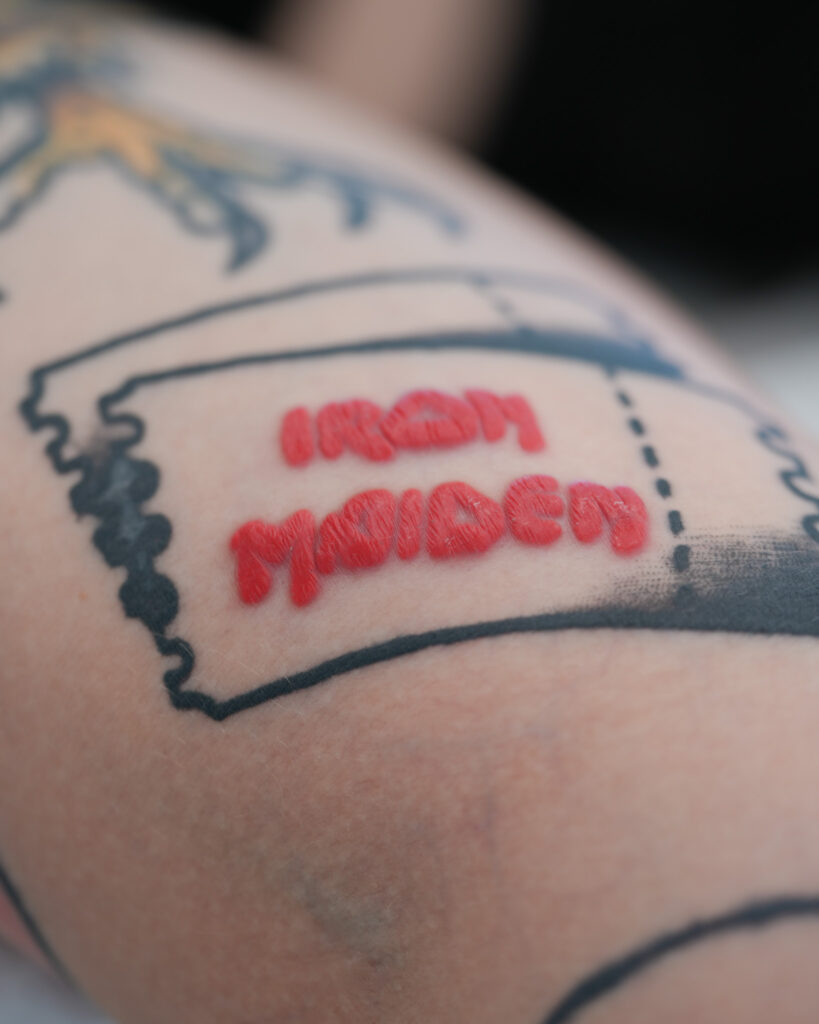
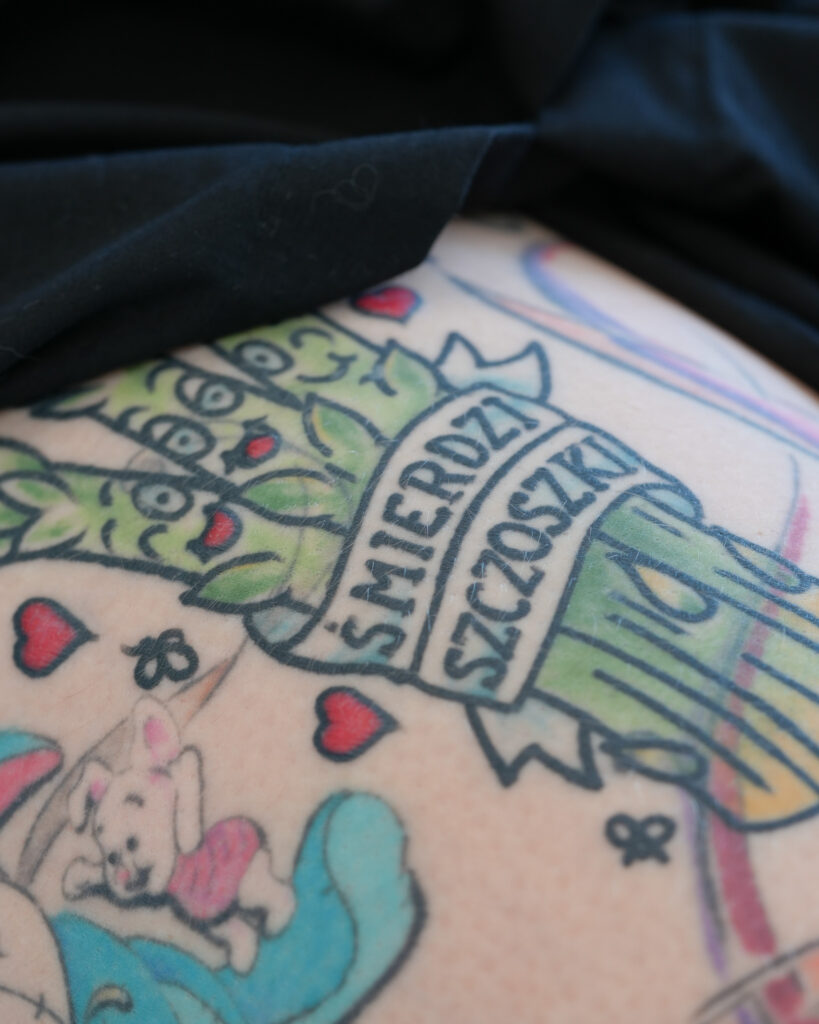
- Type and quality of ink; This is one of the most important factors. Professional tattoos made with high-quality inks often react differently than amateur tattoos (e.g., made with drafting ink). Older tattoos can be unpredictable in terms of chemical composition.
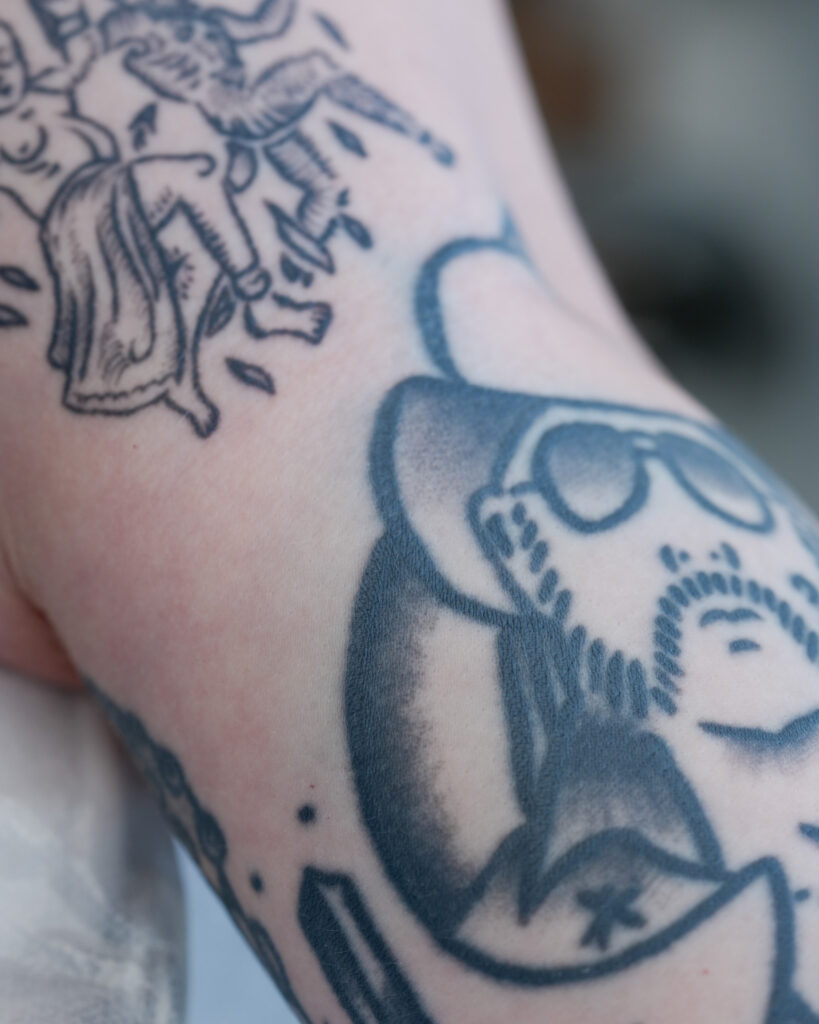
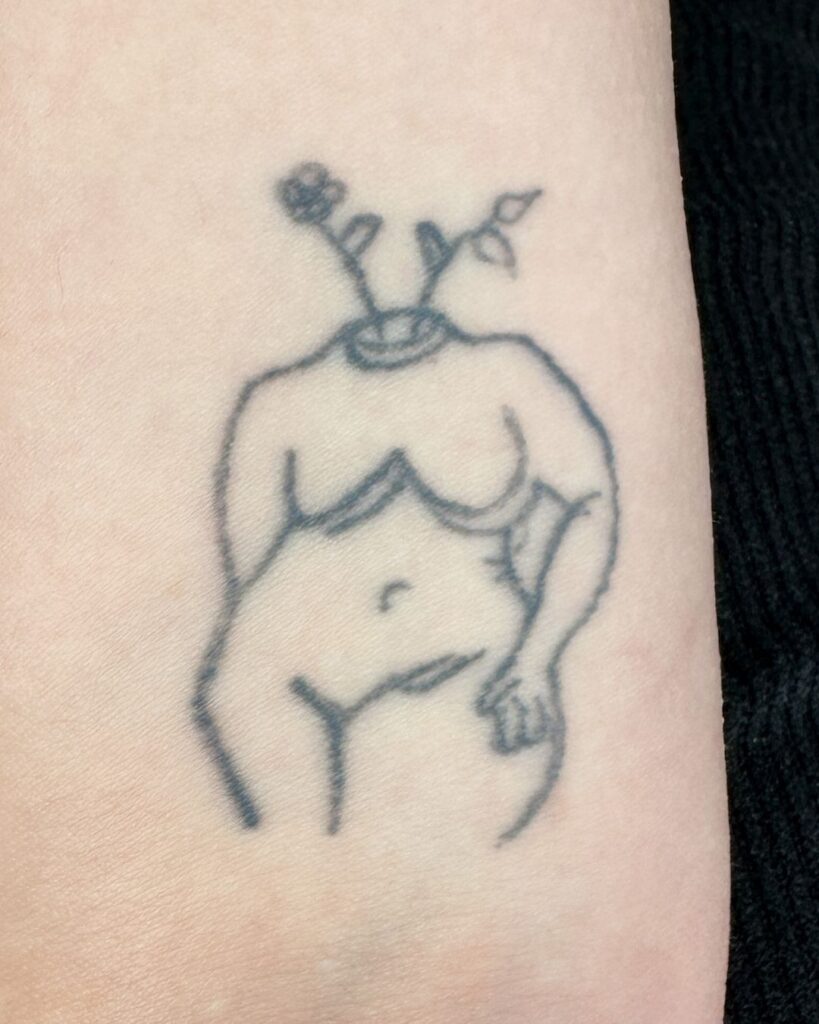
- Density and depth of ink placement; Blackwork tattoos require significantly more sessions than outline-based designs, and this also applies to heavily overworked tattoos, the so-called “plowed” ones.
- Color palette; Thanks to picosecond technology, we are able to remove colors that were once considered very difficult to remove (shades of green, blue, or yellow). However, black remains the color that reacts fastest to the laser.
- Individual body response; The tattoo removal process is actually the work of your body. The laser only breaks the pigment down into microscopic particles, and only your immune system must remove them from the treatment area. Therefore, lifestyle, hydration, and general health have a direct impact on the rate at which the tattoo fades.
When do the first effects appear?
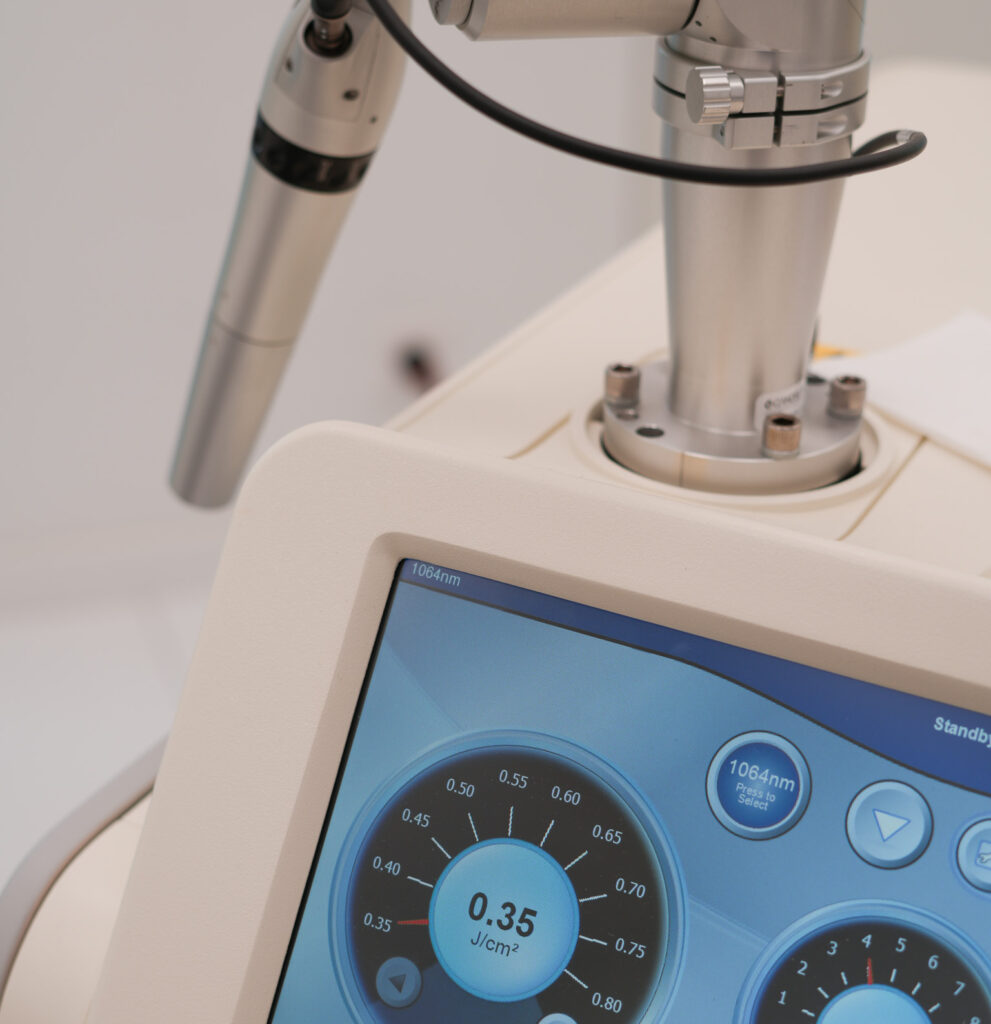
Most patients notice the first lightening of the tattoo after just the first or second treatment. However, it should be remembered that the full process requires a series of treatments. Our laser works precisely, penetrating deep into the skin and breaking down the pigment layer by layer. We start with the pigment located deepest, and in a later phase, we work on the layer located just beneath the epidermis. Over subsequent visits, thanks to the removal of deeper layers of ink, we observe the gradual recovery of clean skin, which for many patients is the most satisfying moment of therapy.
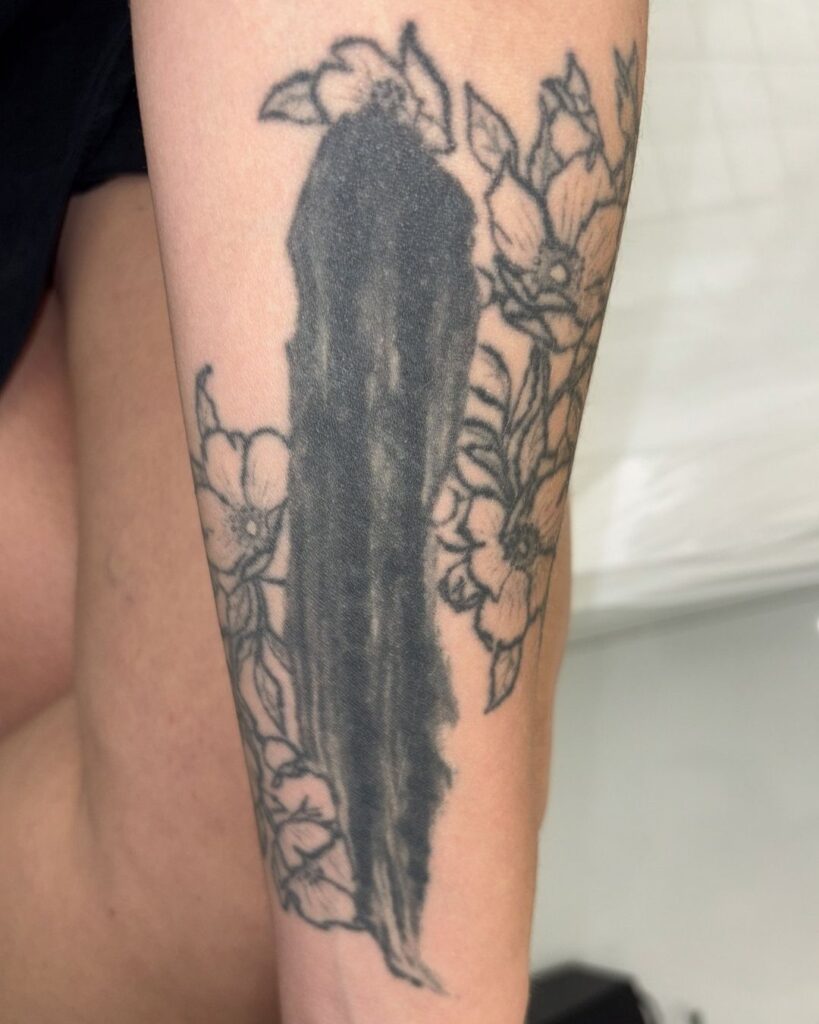
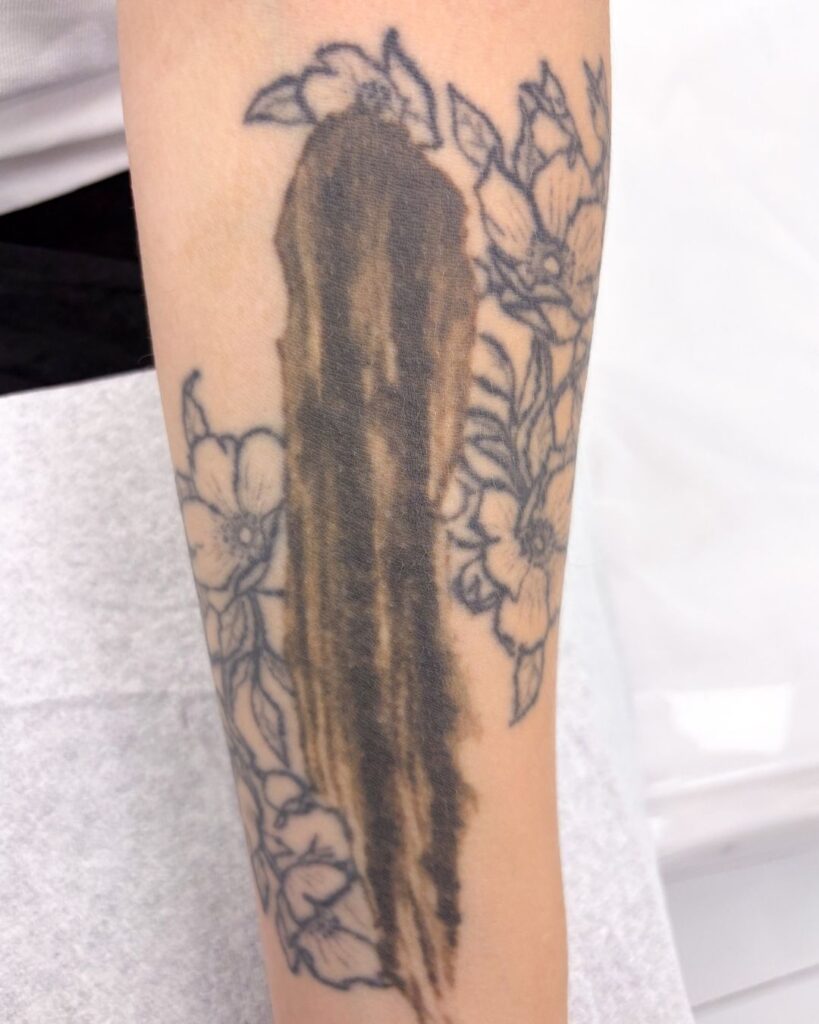
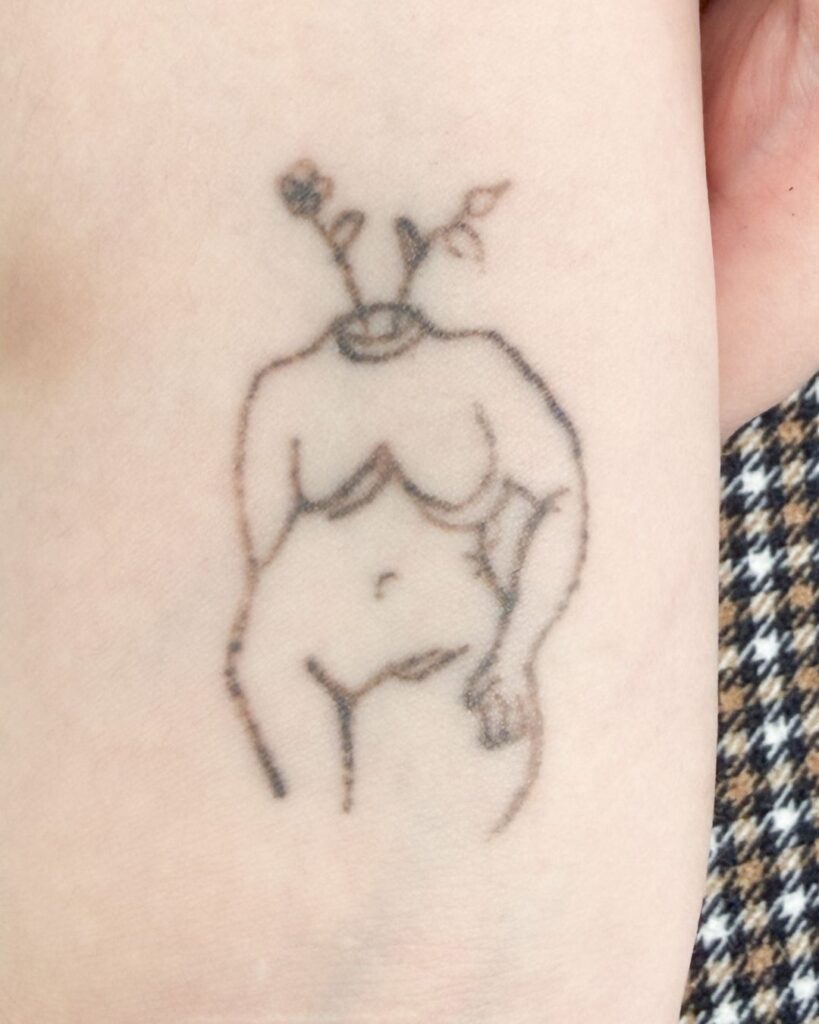
It is crucial to observe the intervals between sessions. The body needs time to regenerate and transport the broken-down pigment particles through the lymphatic system. Performing treatments too frequently does not accelerate the effect at all, and can only unnecessarily burden the skin and the body, which may result in a decrease in macrophage efficiency.
Remember that every tattoo is different. During the consultation, we always carefully assess the condition of the skin and the tattoo in order to realistically determine expectations and plan the optimal treatment path.
Sources:
- Bernstein, E. F., Schomacker, K. T., Basilavecchio, L. D., & Eadie, N. (2015). A novel dual-wavelength, Nd:YAG, picosecond-domain laser safely and effectively removes multicolored tattoos. Lasers in Surgery and Medicine, 47(7), 542–548.
- Friedman, P. M., Jaka, F., & Geronemus, R. G. (2015). The use of a picosecond-domain laser for the treatment of tattoos. Journal of the American Academy of Dermatology, 72(2), 312–315.
- Lorgé, K., & Babilas, P. (2018). Laser-assisted tattoo removal: State of the art. Journal der Deutschen Dermatologischen Gesellschaft, 16(5), 589–598.