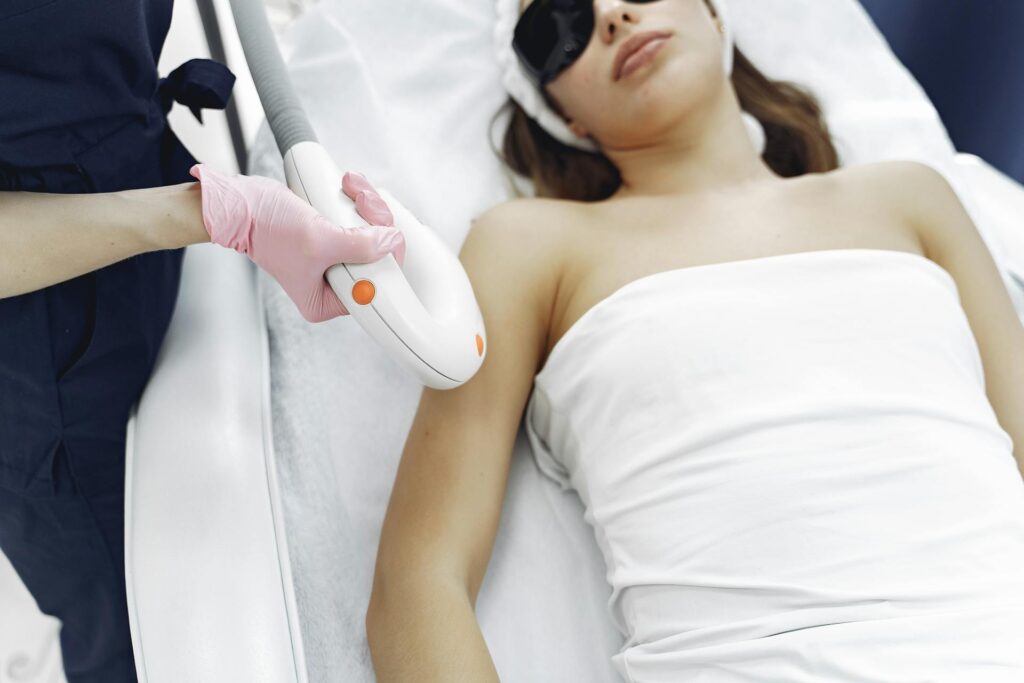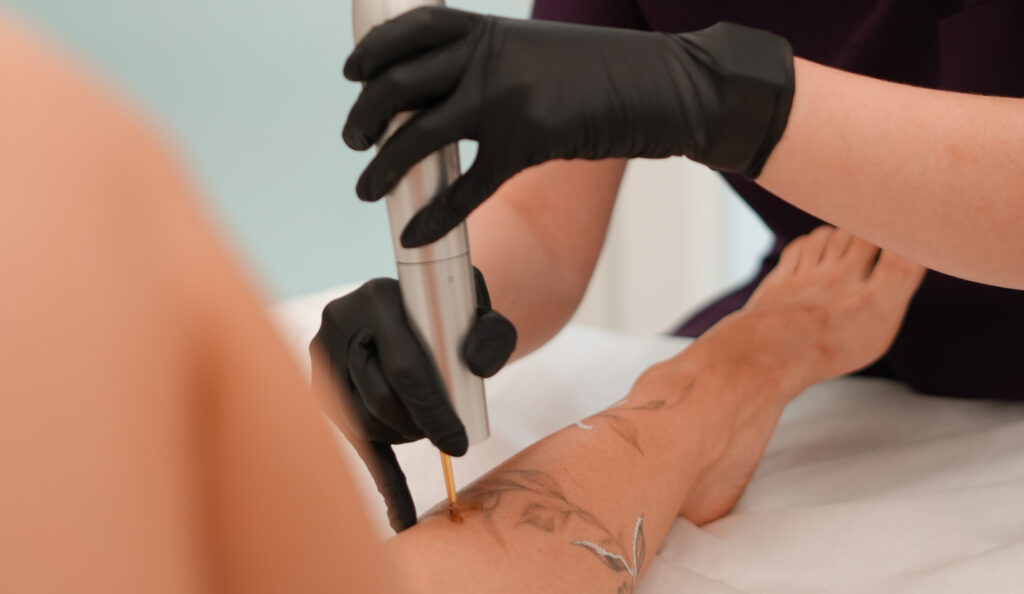


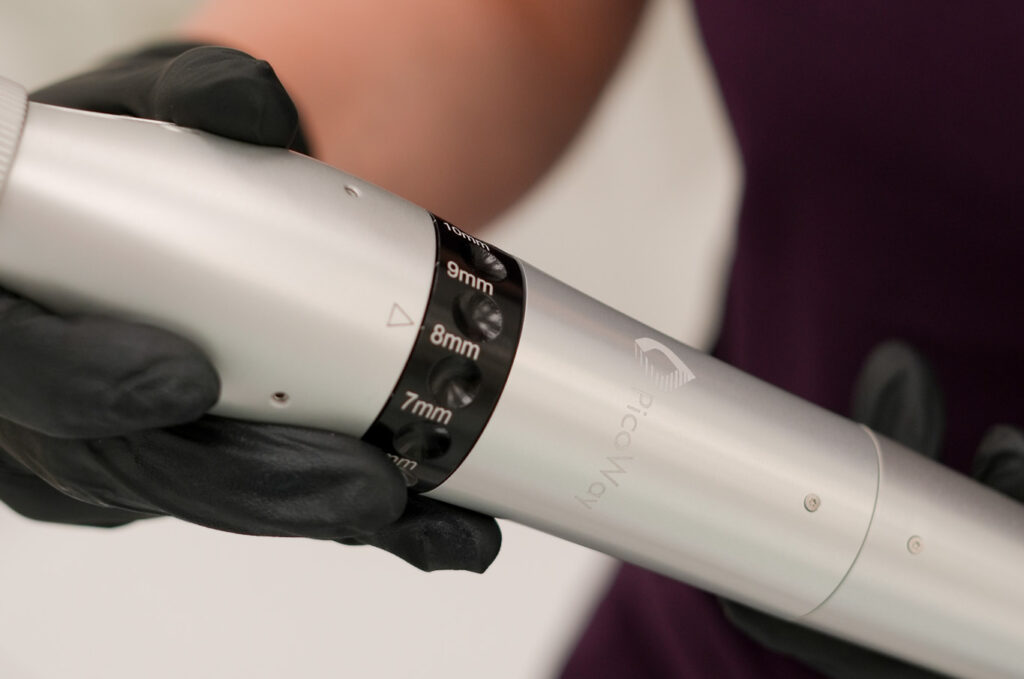
Laser tattoo or permanent makeup removal is a tremendous effort for the skin and the body, starting from the procedure itself and ending with post-treatment regeneration. In order for the skin to heal quickly and safely, without unnecessary complications, it is crucial to follow appropriate home care and post-treatment recommendations.
What can you expect right after the treatment?
- Skin whitening (frosting effect); an immediate optical effect resulting from tissue vaporization under the influence of energy.
- Paradoxical darkening; resulting from the fragmentation of pigment in the skin.
- Vascular and edematous reactions; temporary redness and swelling around the treated area.
- Discomfort; a feeling of tightness, skin tension, or itching.
- Skin and pigment changes; minor scabs or blisters, discoloration into unusual colors (in the case of permanent makeup)
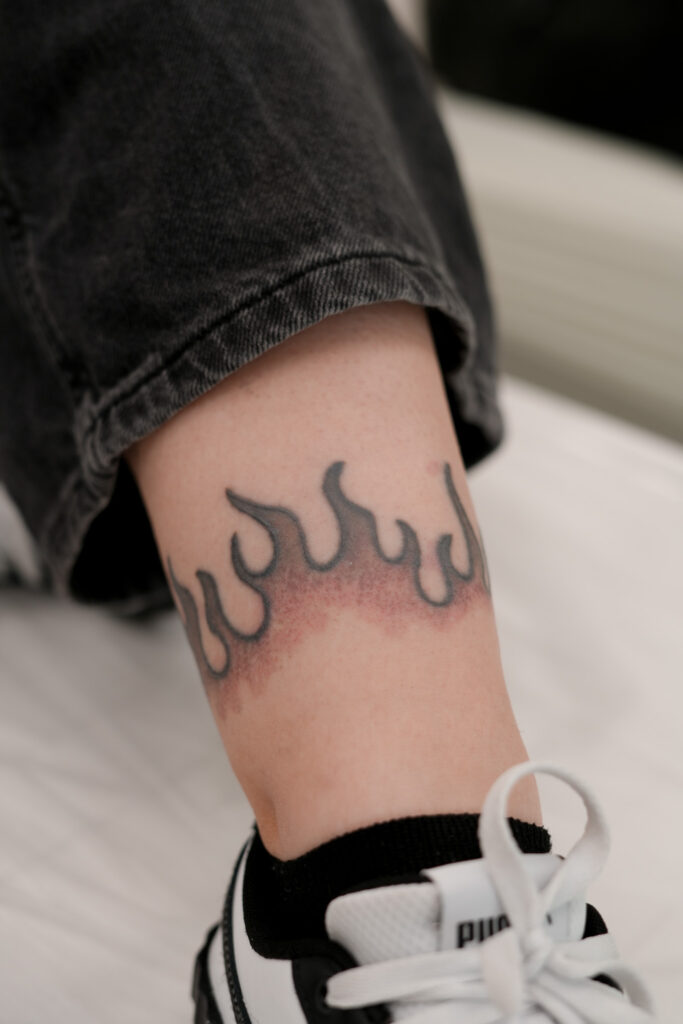
Post-treatment aftercare rules
How your skin will look in a few weeks largely depends on your daily habits during the healing period. Follow the guidelines below, and everything will heal nicely:
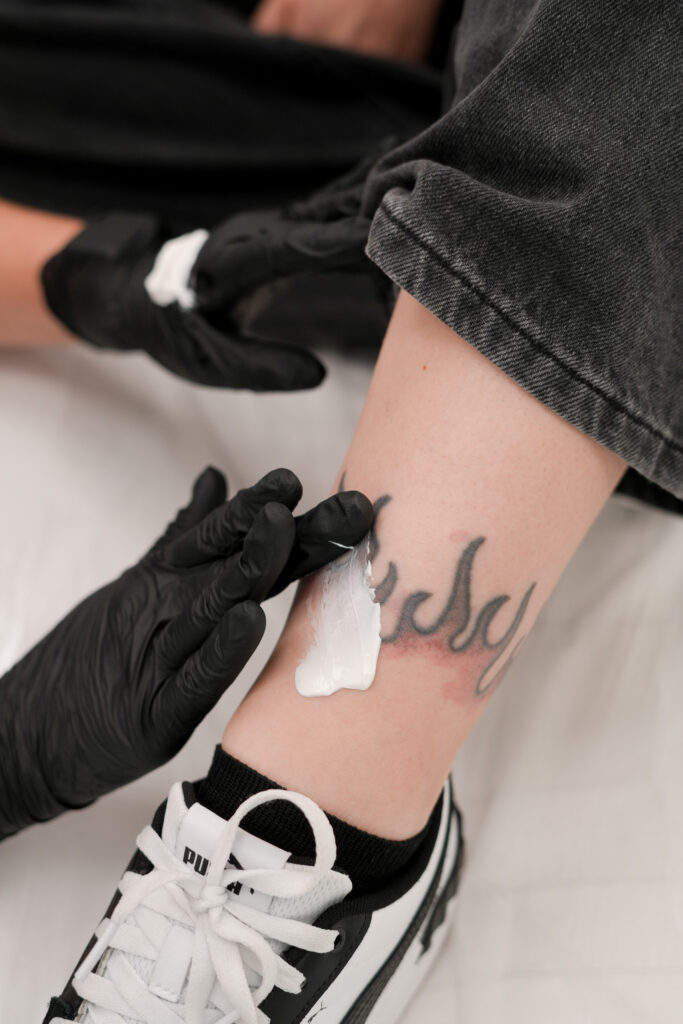
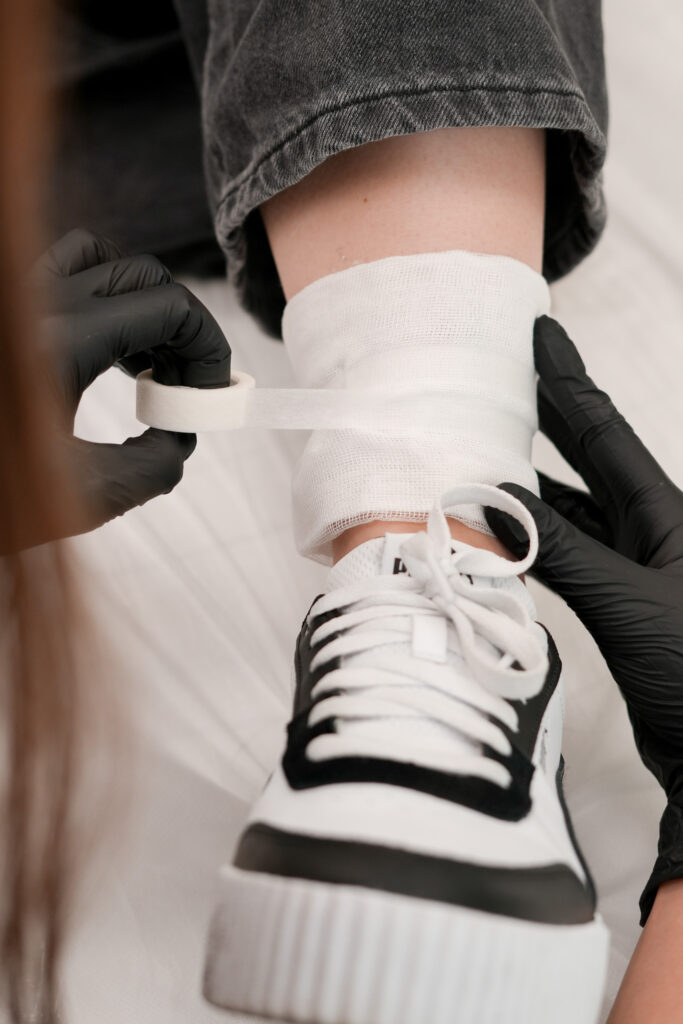
- Hygiene and cleanliness; keep the treated area clean and dry throughout the entire convalescence period.
- Prohibition of touching; Do not touch or scratch the treated area.
- Protection of scabs and blisters; under no circumstances should you puncture blisters or remove scabs from the skin.
- Makeup restriction; in the case of permanent makeup removal, avoid applying makeup to the treated area for a few days (or according to the specialist’s individual recommendations).
- Photoprotection; avoid sun exposure for 3-4 weeks after the treatment, and after that time, apply SPF 50+ sunscreen to the treated area.
- Restriction of physical and thermal activity; For at least a week after the treatment, avoid bodies of water, saunas, and hot showers. Additionally, refrain from intense physical exercise.
- Regeneration; regularly apply the regenerating and moisturizing product recommended by the practitioner, at least once a day.
Sources:
Mitrofanoff, L., Marini, S., & Marini, L. (2024). Prolonged healing of eschar-like wounds following hybrid nanosecond and picosecond laser monochromatic Q-switched laser removal: management and evolution. Lasers in Medical Science, 39(1), 153. https://doi.org/10.1007/s10103-024-04101-3
Poelhekken, M., Velthuis, P. J., Tjin, E. P. M., Quant, D. A. K., & van der Bent, S. A. S. (2026). Complications reported by practitioners in tattoo removal. Dermatology, 242(4), 449–456. https://doi.org/10.1159/000551910